Hemostasis
Stopping the bleeding
This is the body's immediate response to injury. Blood vessels constrict and platelets quickly form a clot to stop bleeding. This stage usually begins within seconds and lasts up to a few minutes.
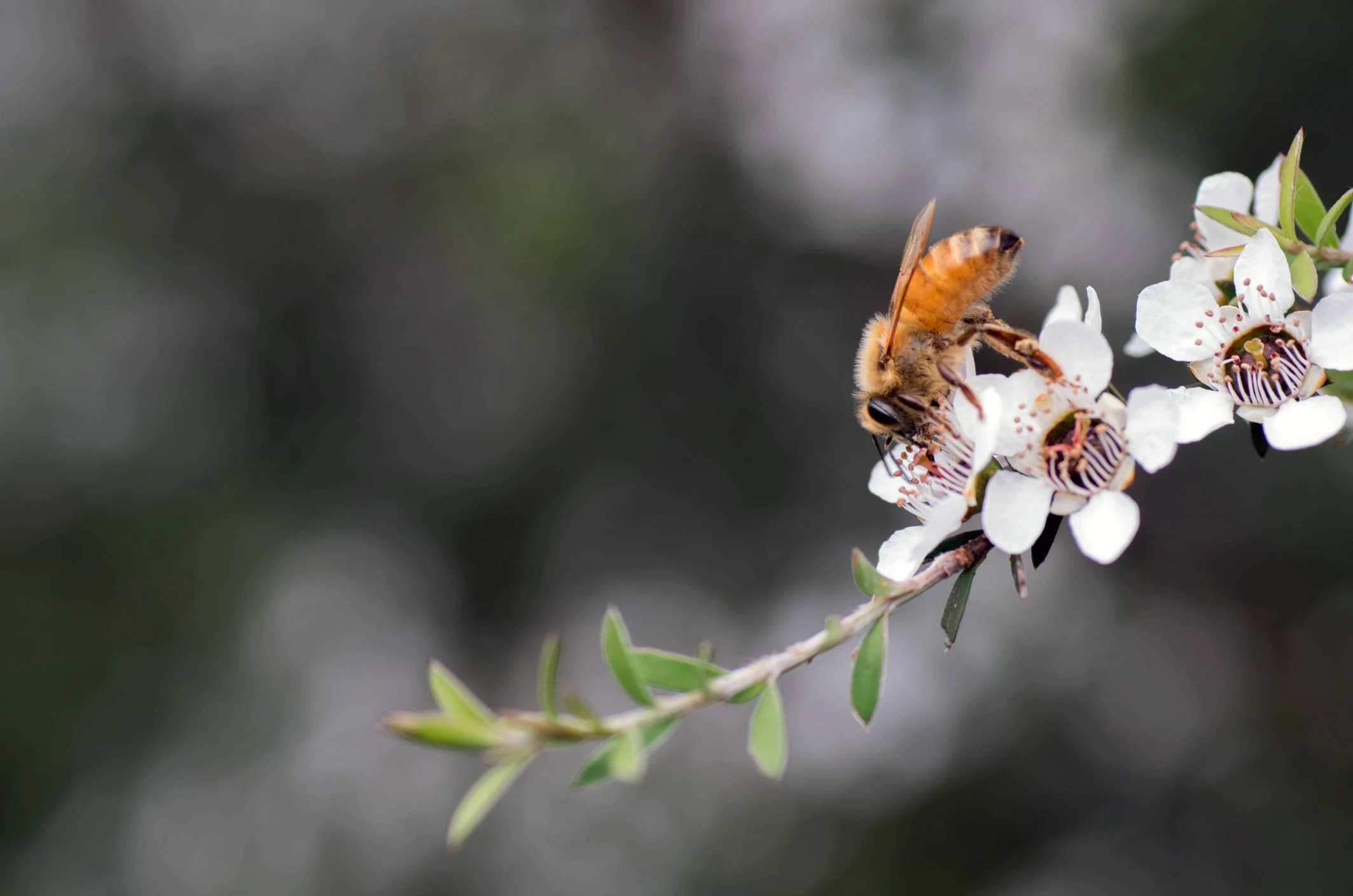
Our high-potency Mānuka wound spray actively supports every stage of natural wound healing. Formulated with 25% Mānuka Honey (MGO 700+), it works in harmony with your animal's body from the first moment of injury.
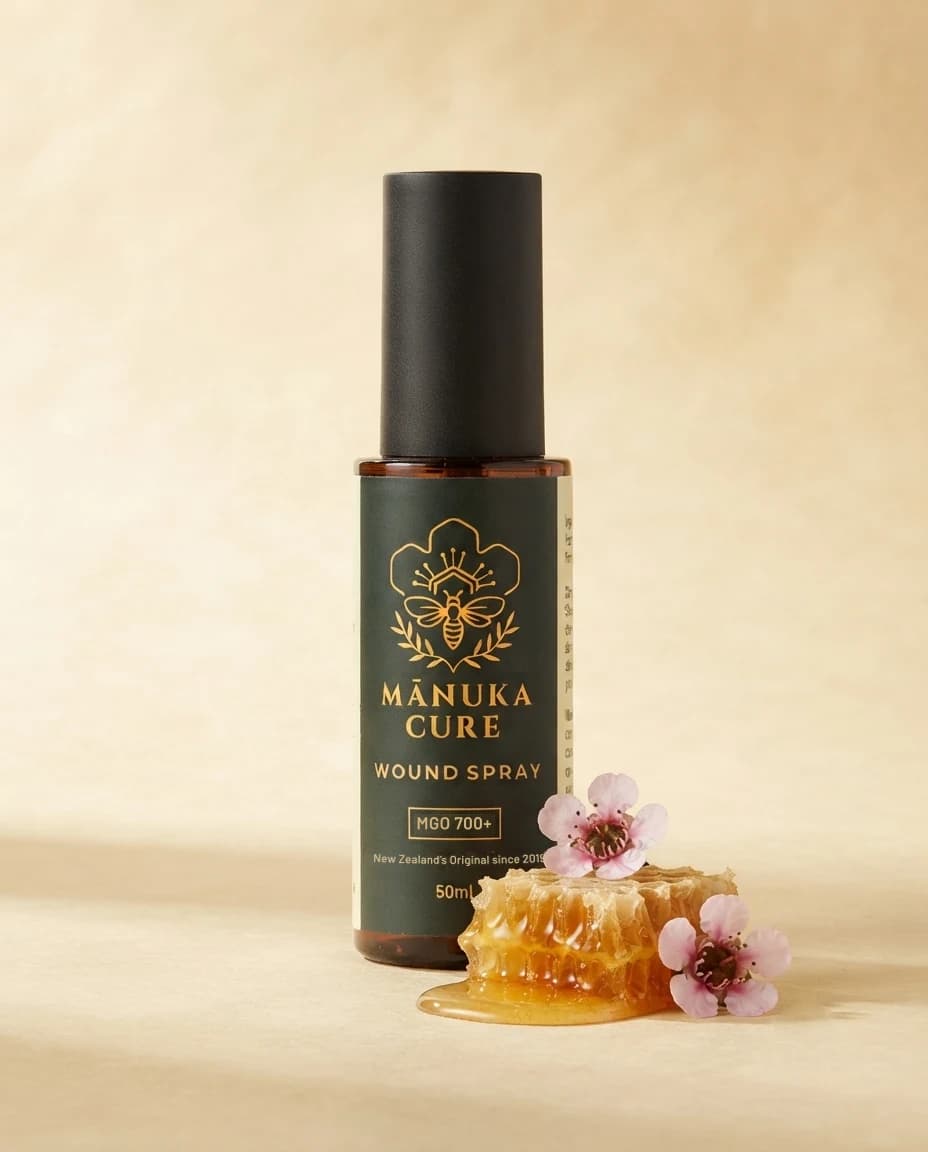
Formulated to support natural healing of minor to moderate wounds, cuts, grazes, burns, sores and skin irritations in pets and livestock.
25% premium Mānuka honey with MGO700+ (UMF 18+)
— significantly stronger than most alternatives.
Simple spray — no mess, no stress for you or your animals.
Suitable for pets and livestock alike — dogs, cats, horses, cattle, sheep, birds and more.
Supports the body's own healing process without harsh chemicals.
Mānuka honey is produced by bees foraging on the flowers of the Mānuka tree (Leptospermum scoparium), native to New Zealand. Mānuka honey possesses unique antimicrobial properties not found in ordinary honey. While all honeys possess some natural antibacterial properties, Mānuka stands apart due to its exceptionally high levels of methylglyoxal (MGO) — the compound that gives it strong, stable, and long-lasting antibacterial and anti-inflammatory activity.
Methylglyoxal (MGO) is the primary compound responsible for Mānuka honey's potent, non-peroxide antibacterial effect. Unlike regular honey, which relies mainly on unstable hydrogen peroxide, MGO remains effective even in real wound conditions — in the presence of exudate, enzymes and varying pH levels. The MGO rating measures concentration in milligrams per kilogram of honey — the higher the number, the stronger the antibacterial potency.
UMF (Unique Mānuka Factor) is New Zealand's well-respected quality trademark. It measures the total antibacterial and anti-inflammatory activity of the honey, including MGO and other synergistic compounds. Many experts consider UMF the most comprehensive rating.
Recent independent testing in the UK showed that over 90% of Mānuka honey samples from retailers failed authenticity or potency tests. Without certified MGO or UMF ratings, there is often little to no guarantee of meaningful antibacterial activity.
Our wound healing spray is formulated with 25% premium New Zealand Mānuka honey rated at MGO 700+ (equivalent to UMF 18+). This significantly higher concentration and potency sets our spray apart from most competing products, which typically contain only 10–20% Mānuka honey at lower MGO and UMF levels.
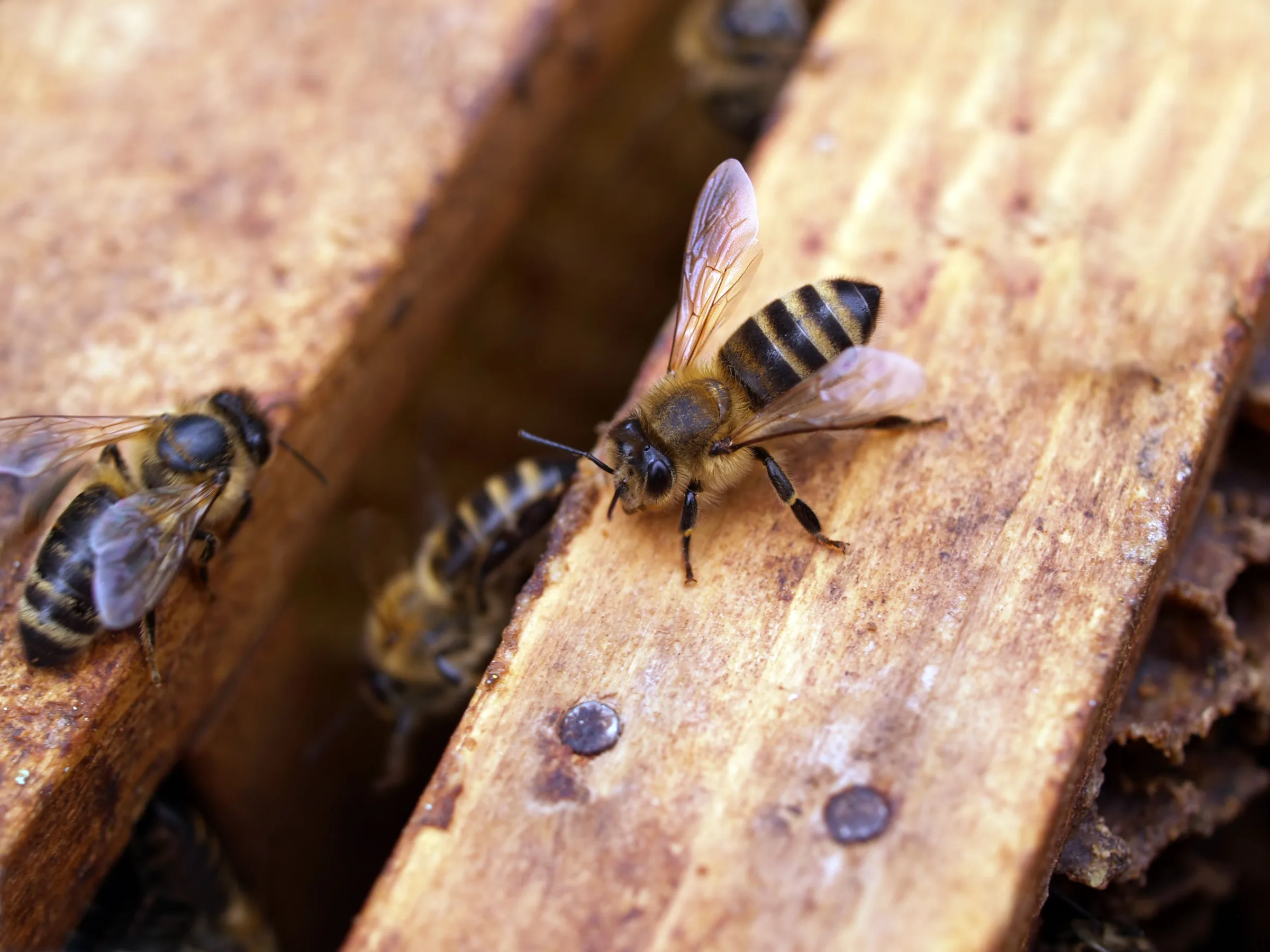
Our high-potency Mānuka spray works in harmony with the body's natural healing process across all four stages.
Stopping the bleeding
This is the body's immediate response to injury. Blood vessels constrict and platelets quickly form a clot to stop bleeding. This stage usually begins within seconds and lasts up to a few minutes.
Cleaning the wound
Mānuka honey is most beneficial in the inflammation and debridement phase (early to mid-stage of healing), leading to early granulation. Once a wound has a robust layer of healthy granulation tissue covering it and no signs of infection or necrosis, the job of honey (debriding and disinfecting) is essentially done!
Rebuilding tissue
New blood vessels form and granulation tissue develops to fill the wound. Skin cells multiply and begin closing the gap. This rebuilding phase can last from several days up to 2–3 weeks. Maintaining moisture and a clean environment is especially important during this stage.
Strengthening the scar
In the final stage, the new tissue remodels and gains strength and flexibility. The scar continues to improve for months, sometimes up to two years. While healed tissue will never be quite as strong or elastic as original skin, it becomes much more resilient over time.
For external animal use only
We work with vet clinics, pet stores, and distributors across New Zealand. We'd love to hear from you and answer any questions you may have — send us a note and we'll be in touch within 1–2 business days.